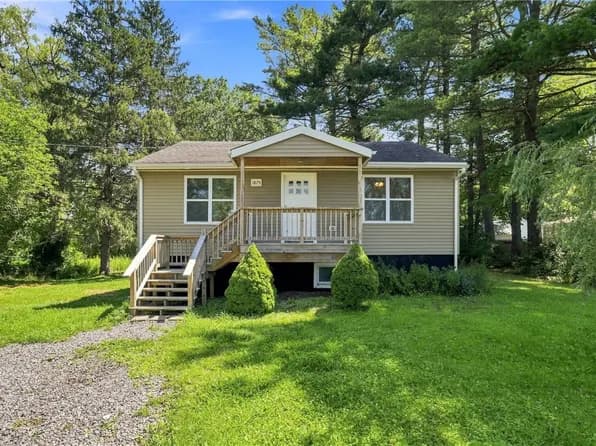
Residential Home Inspection
A clear, concise look at the major systems of the house you're about to call home. A home inspection is a visual examination of the home's structure, systems and components that are visible and safely accessible.
Whether you're buying, selling or simply maintaining your home, Advance Inspection Team walks the property with you and makes sure you understand what you're looking at. After twenty years in construction, Nate reads a house the way someone who has built one does.
After we walk through the home together, we'll explain the general condition of the home and its systems with you and your agent. We'll talk through any major issues that should be addressed sooner rather than later, and point out the items worth keeping an eye on for deferred maintenance.
All of it is written up in an easy-to-read report, delivered through your personal dashboard, accessible online anytime and available as a PDF download. From that report you'll be able to see the items we discussed, with photos for reference.
What's Included:
- Visual examination of major structure and systems
- Walk the home together with your inspector
- Plain-language explanation of the home's condition
- Major issues flagged and prioritized
- Deferred maintenance items identified
- Report accessible online anytime and as a PDF
- Photo documentation throughout
- Twenty years of construction experience behind every call
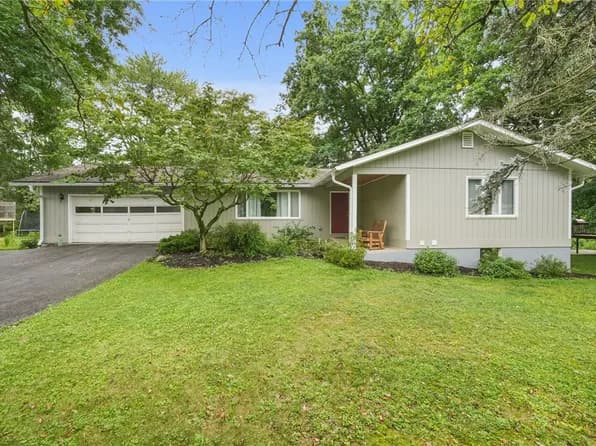
Pre-Listing Inspection
For homeowners planning to list but not yet on the market. We assess the home and its major systems so you know its condition before a buyer's inspector does.
A pre-listing inspection is the same as a buyer's inspection. The difference is that the homeowner orders it, before the house goes on the market.
Most homeowners choose a pre-listing inspection because it gives them insight into their own home: they learn what to expect and can make repairs on their own timeline rather than under the pressure of a negotiation.
The majority of buyers get their own inspection. Going first means the buyer's inspector doesn't surface a major defect you didn't know about, at the worst possible moment.
Benefits of a Pre-Listing Inspection:
- Reveals problems the owner may not be aware of
- A useful benchmark against the buyer's inspection
- Helps you and your agent price the home accurately
- Builds trust with potential buyers
- Make repairs before listing, on your own timeline
- Know what to expect during the buyer's inspection
- Fewer surprises during negotiations
- Clear, concise report you can share
Radon Testing
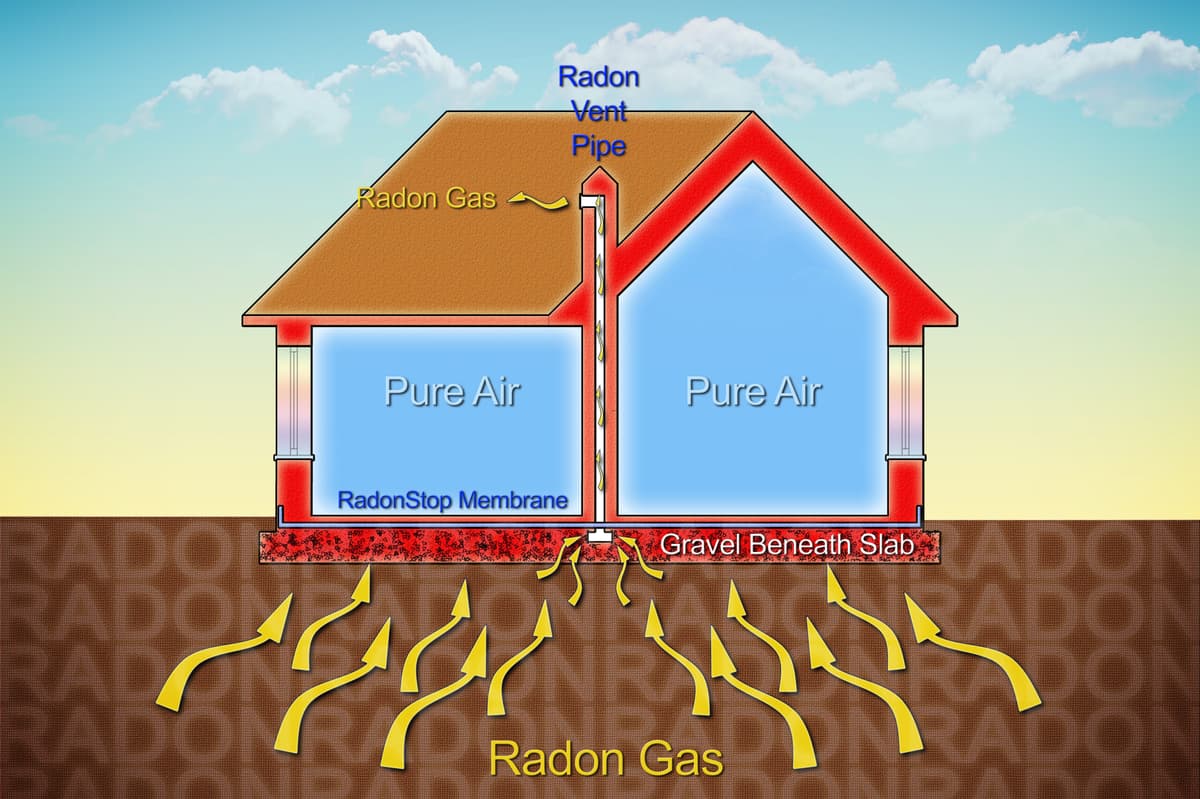
Radon is a naturally occurring radioactive gas produced as uranium in the earth's crust decays. It is colorless, odorless, and carcinogenic. Testing is the only way to know your levels.
Outdoors, radon dissipates harmlessly into the atmosphere. Inside a home it can become trapped, and that is where it becomes a health concern. According to the EPA, radon is a leading contributor to the development of lung cancer, behind only smoking. Regular testing matters whether you already own the home or are considering buying it.
Central New York sits on geology that produces radon, and levels vary house to house, sometimes between neighbors on the same street. Your neighbor's result tells you nothing about your own.
Common myths about radon
Radon affects all foundation types: slab, crawl space, and basement alike. It is found in both new and old homes. Don't assume a house is safe based on its age or how it was built; testing is the only way to know.
Why radon tests matter
The biggest benefit is peace of mind. Radon has no smell, taste, or color, and exposure produces no symptoms a doctor can identify. A test is the only way to confirm your home is at a safe level.
Be Sure, Be Safe, Test Your Home For Radon Today!
Read more about radon testingWhat You Should Know About Radon:
- Continuous monitoring for accurate results
- Detects a colorless, odorless radioactive gas
- Affects slab, crawl space, and basement foundations alike
- Levels vary house to house, even between neighbors
- Recommended for both new and older homes
- Results explained in plain language
- Can be added to any home inspection
- Peace of mind for your family
Commercial Inspection
Evaluation of a commercial property shares many attributes with a residential inspection, scaled to the building. We assess structure, systems, and safety so you have complete information on the property.
Evaluating a commercial property has many of the same attributes as a residential home inspection. Where larger or uncommon systems are present, we can coordinate third-party contractors for specialty inspections of larger electrical, HVAC, and roof systems, so you get complete information on the property.
Light commercial property types include:
• Warehouses • Low-rise offices • Retail spaces • Hotels and motels • Restaurants and breweries
What's included
We inspect access areas for hazards, concrete flatwork, the foundation, structure, exterior finish, roof, HVAC, plumbing, and electrical, testing sample outlets and tripping GFCIs where possible. There is some limitation on the electrical system: the inspector examines light fixtures, smaller panels, and the system as a whole for general safety issues, but cannot disassemble three-phase or larger panels where present. We inspect and operate major systems, windows, doors, and plumbing including restroom facilities, looking for visible deficiencies as well as safety issues that carry liability.
The report includes color photos and recommendations as conditions warrant, and follows accepted Standards of Practice. Where conditions call for it, we may refer additional critical services to a specialist.
Contact: For more information, please contact Advance Inspection Team owner Nathan Bare at nate@advanceinspectionteam.com or (315) 558-3561
Light Commercial Property Types:
- Warehouses, low-rise offices, retail spaces
- Hotels and motels, restaurants and breweries
- Access areas, concrete flatwork, foundation
- Structure, exterior finish, roof, HVAC
- Plumbing and electrical systems
- Safety and liability assessment
- Third-party specialists coordinated where needed
- Color photos and recommendations throughout
Manufactured Home Inspection
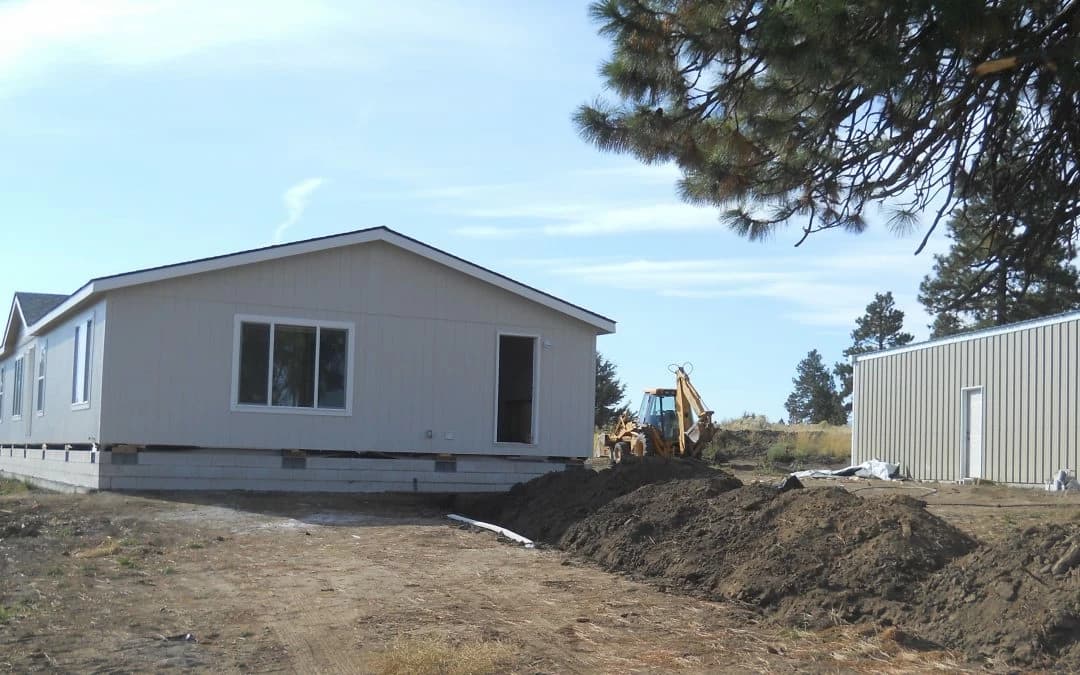
Manufactured and mobile homes are built differently than site-built houses, and they need to be inspected differently. We evaluate the systems and structural details specific to this type of home.
A manufactured home has its own construction methods, its own failure points, and its own set of things worth checking closely. Inspecting one well means knowing where those differences are.
We evaluate the home's foundation and support system, the anchoring and tie-downs, skirting and under-home conditions, the roof and exterior envelope, and the electrical, plumbing, heating, and cooling systems. Where the home has been added onto or modified, we look carefully at how that work was carried out and how it ties into the original structure.
As with every inspection we do, you get a clear, concise report with photos, plain-language explanations, and time to ask questions.
What We Evaluate:
- Foundation, piers, and support system
- Anchoring and tie-down evaluation
- Skirting and under-home conditions
- Roof and exterior envelope
- Electrical, plumbing, heating, and cooling
- Additions and modifications assessed
- Construction methods specific to manufactured homes
- Clear report with photo documentation
Wood Destroying Insect Inspection
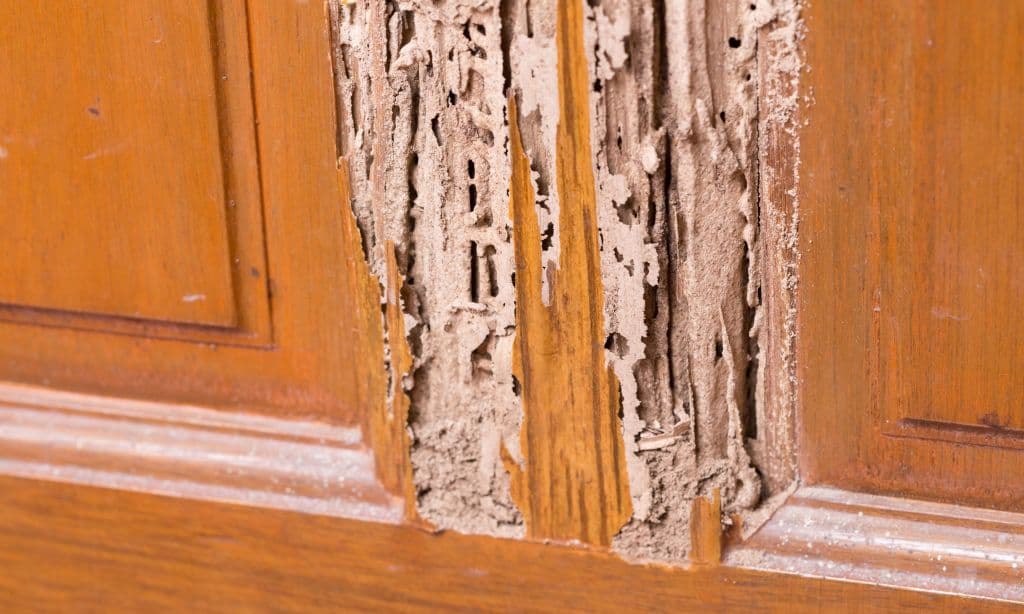
An inspection for evidence of termites, carpenter ants, powderpost beetles, and carpenter bees, the insects that quietly do structural damage to homes in our region.
Wood destroying insects work out of sight, and by the time the damage is obvious it is usually expensive. Carpenter ants in particular are a persistent problem in Central New York, and older housing stock with wood in contact with soil gives them plenty of opportunity.
We inspect accessible areas of the structure for evidence of active infestation, past infestation, and the conditions that invite it: moisture intrusion, wood-to-soil contact, poor drainage, and damaged or untreated wood.
You'll receive documentation of what was found and where, along with an explanation of what it means for the property. Many lenders require this inspection as a condition of financing; we can perform it alongside your home inspection in the same visit.
What the Inspection Covers:
- Evidence of termites, carpenter ants, and beetles
- Active and previous infestation documented
- Conducive conditions identified
- Moisture intrusion and wood-to-soil contact
- Accessible structural areas examined
- Often required by lenders for financing
- Can be completed during your home inspection
- Findings documented with photos
Well Flow Inspection
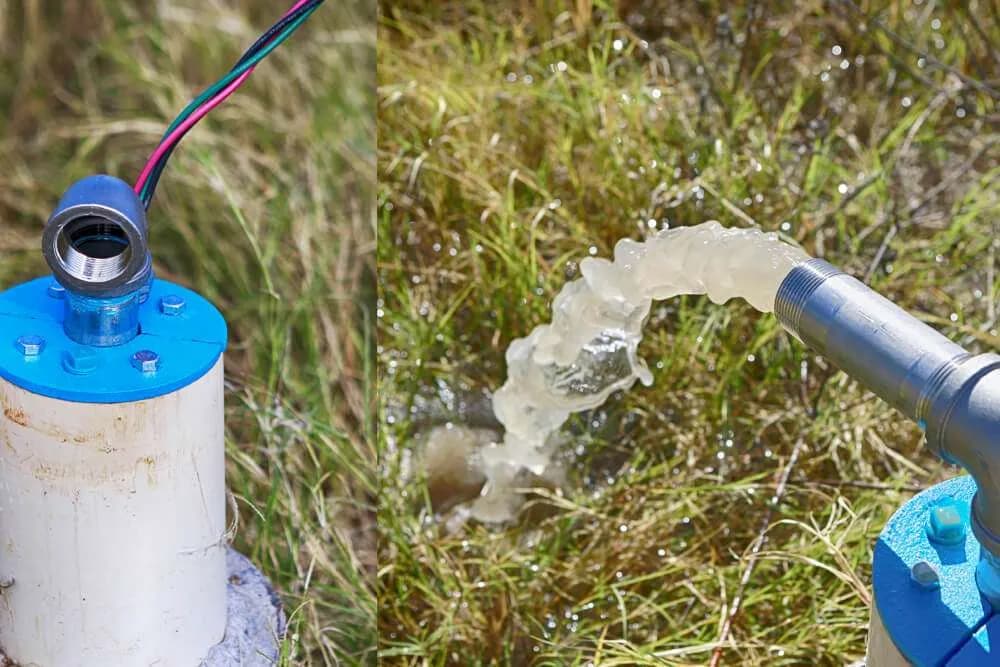
If the home is on a private well, the water system deserves its own look. A well flow test measures whether the well produces enough water to serve the household.
Plenty of homes across the Finger Lakes and Central New York draw their water from a private well. Unlike a municipal supply, a well is entirely the homeowner's responsibility, and a well that cannot keep up with the household is a problem you want to know about before closing, not after.
A well flow inspection measures the rate at which the well delivers water and how it holds up under sustained demand. We also evaluate the visible components of the system, including the pressure tank, pump equipment where accessible, and the condition of the well head.
The findings tell you whether the system can realistically support the home, and flag any equipment concerns worth addressing.
What the Test Measures:
- Measures water delivery rate over sustained draw
- Assesses whether output can support the household
- Pressure tank and visible system components
- Pump equipment evaluated where accessible
- Well head condition and protection
- Important for any home on a private well
- Can be scheduled with your home inspection
- Results explained in plain language